

Scroll long enough on Instagram, and you start asking questions. Why did that shaky coffee video rack up millions of views while your carefully edited clip barely waved hello? The algorithm often feels like a slot machine with opinions. Creators trade theories in group chats, and some even debate tactics to buy real Instagram followers as a way to spark early traction. The truth is less mystical, but it still has a few twists that catch people off guard. Instagram’s system reacts fast. It watches how viewers behave within the first moments of a video. Blink and miss that window, and the clip quietly slips into the background. Hit the right signals early, and things can snowball quickly.
Early Engagement Sets the Tone
The first hour matters more than people like to admit. Likes, comments, saves, and shares send quick signals that a video deserves attention. Even pausing for a second longer than average can help. Instagram treats that pause like raised eyebrows. Comments carry extra weight because they take effort. A quick “same” or laughing emoji still counts. Saves are gold, too, since they hint that someone wants to return later. All of this stacks up fast. That early spike does not need celebrity numbers. It needs momentum. A small but active audience can outperform a huge silent one. That’s why creators obsess over posting times and familiar faces showing up early.
Watch Time Is the Quiet King
Views look flashy, but watch time runs the show. If people stick around, the system takes notes. A video watched twice by the same person can beat one that gets skipped by many. Completion rate matters even more. Short videos benefit here. A tight loop that feels accidental often wins. People replay it without realizing. That replay nudges the system again. Longer clips can still work. They just need rhythm. A slow opening with no payoff sends viewers packing, and the algorithm notices that the exit door swings wide.
Consistency Builds Trust With the System
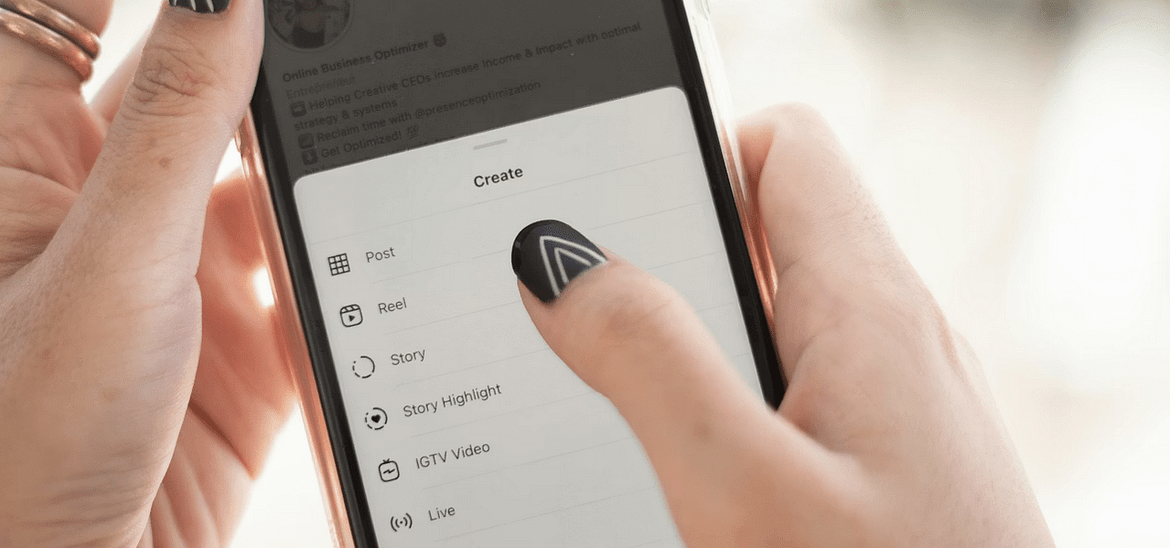
Posting once and vanishing for weeks confuses the system. Regular uploads create a pattern that it can work with. This does not mean daily stress posting. It means showing up enough to feel familiar. Content themes help here. If your videos feel connected, Instagram knows who to show them to. Random topics can scatter results.
Audience Behavior Shapes Future Reach
Instagram learns from viewers, not creators. If your followers swipe away, that feedback sticks. If they comment, share, or send the video to friends, that echo travels far. This is why niche audiences often grow faster. They react more strongly. Broad content can pull views, but weaker reactions. The system favors intensity over size. Growth shortcuts get discussed everywhere. Some creators experiment. Others rely on slow build energy. The algorithm does not judge motives, just behavior patterns over time.
Timing, Trends, and Small Signals Matter

Trends still matter, but timing matters more. Jumping late feels like shouting after the party ended. Early adoption helps, but only if it fits your style. Captions matter quietly. Clear context helps viewers stay longer. Hashtags help less than they used to, but relevance still counts. Random tags add noise. Sound choice also plays a role.
Familiar audio lowers friction. Viewers know what they are stepping into, which keeps them watching a beat longer. In the end, Instagram’s algorithm is less moody than it seems. It rewards attention, reaction, and repeated interest. Think of it as a mirror. Show it something people lean into, and it leans back.…

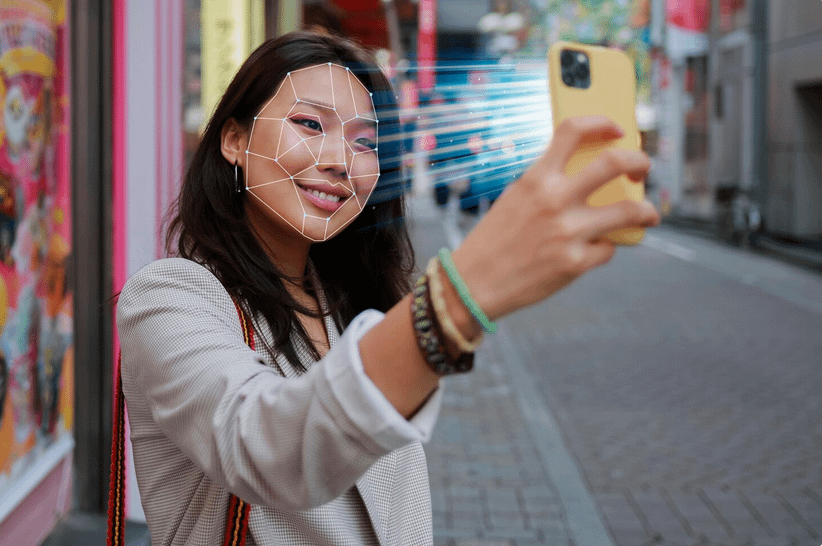 Face filters begin with something called feature detection. It’s the part where the system scans your face for key points. Think of it like a connect-the-dots puzzle, but done by a computer that has zero chill. It tracks areas like your jawline, eyes, and cheekbones, so it can stick a virtual effect on top without it floating into the distance. These detection systems improve themselves with data. Every face, every expression, every tiny movement teaches the software how to fit effects more tightly. It may sound wild, but your phone does this work at lightning speed. Even blinking doesn’t slow the mapping process down.
 Ever tried making a weird face just to see if the effect falls off? Most of the time, it stays glued to you like a loyal puppy. That’s because facial tracking measures motion, not just structure. As you talk, smile, or attempt your best duck-lip impression, the software keeps adjusting those digital layers. These adjustments rely on prediction models. They guess where your features will move next based on how faces typically behave. A guy I know tried to break a filter by shaking his head like a bobblehead. It stayed on. He didn’t. But the tech did its job well.