Life is easy when everything is being automated to your liking. Thoughtful setups can simplify life without turning the house into a gadget showroom. Homeowners still keep control over privacy settings. This matters more than most people admit. A smart home should reduce effort, not add another pile of things to manage. The biggest upgrades are usually the ones you stop thinking about after a few days. Lights respond automatically, temperatures stay comfortable, and small daily tasks happen in the background.
Security Features That Add Peace of Mind
Smart home spying gets a lot of attention, but the real story is how automation can quietly make daily routines smoother. Smart cameras, door sensors, and video doorbells help homeowners stay informed without constantly checking every corner of the house. Notifications arrive only when something important happens. That keeps attention focused where it belongs. Good security should reduce stress instead of creating it. Many devices also integrate with lighting and locks. Doors can lock automatically at scheduled times, while outdoor lights activate after sunset. These connected actions create a smoother experience. Several small improvements work together instead of operating separately.
Climate Control That Thinks Ahead
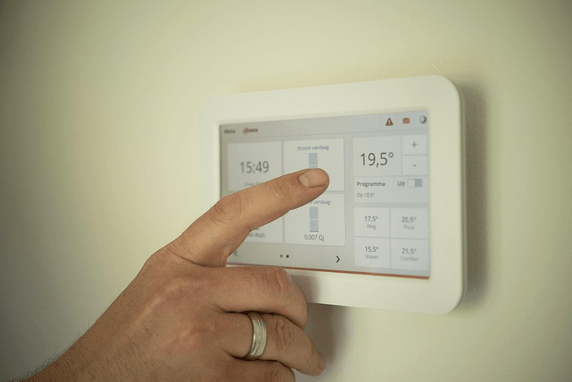
A smart thermostat does more than change temperature remotely. It can adjust cooling or heating based on daily routines and occupancy. Empty homes don’t need the same climate settings as occupied ones. That helps reduce unnecessary energy use. Many systems also monitor temperature patterns over time. They gradually make better decisions without requiring constant adjustments. Instead of reacting to discomfort, the home stays comfortable automatically. That subtle improvement quickly becomes noticeable. Remote access is another practical benefit. Returning from vacation or a long workday feels better now.
Voice Control That Saves Small Moments
Voice assistants simplify many everyday tasks. Turning lights on, checking the weather, or setting reminders becomes almost effortless. Those actions save only seconds at a time, but the convenience adds up quickly. Less friction makes daily routines feel smoother. The real value comes from combining voice commands with other smart devices. One simple request can dim the lights, adjust the thermostat, and lock the doors before bedtime. Instead of managing several apps, everything works together. That’s where home automation begins to feel genuinely intelligent.
Smart Lighting That Adapts to Your Routine
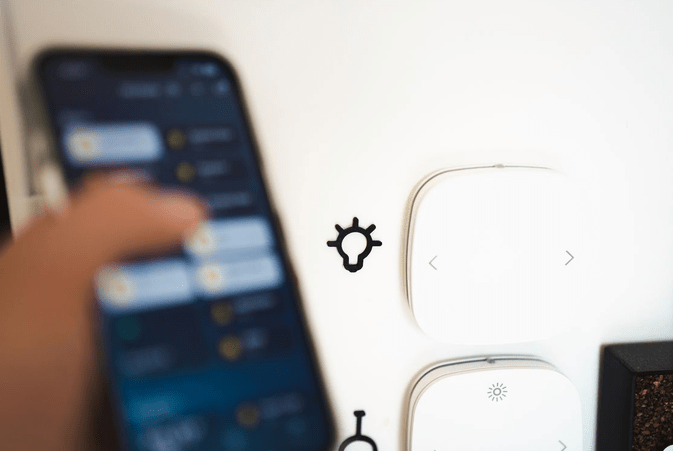
Lighting automation is another easy place to start. Lights can turn on when someone enters a room and switch off after everyone leaves. That saves energy without requiring constant reminders. The experience feels natural after only a few days. Schedules add another layer of convenience. Bedroom lights can gradually brighten in the morning instead of relying on loud alarms. Evening lighting can automatically become warmer as bedtime approaches. Small adjustments like these quietly improve daily comfort. Lighting scenes also simplify different activities. One tap can create the right brightness for reading, watching movies, or working from home.
Great home automation quietly improves everyday routines without adding unnecessary complexity. Smart lighting, climate control, security systems, and voice assistants each solve practical problems in different ways. The best smart home is the one that makes life feel easier while staying comfortably in the background.…















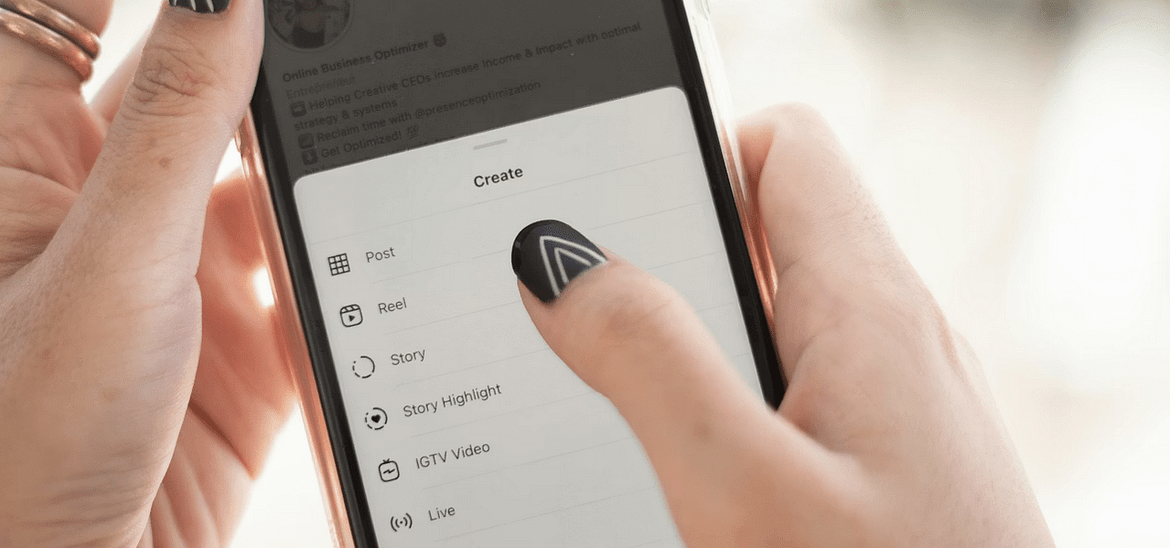





 At the heart of auto-generated channels is predictive modeling—AI that analyzes viewer preferences, trends, and watch patterns to forecast what content people will want next. As creators adapt to this landscape, many experiment with strategies like learning how to

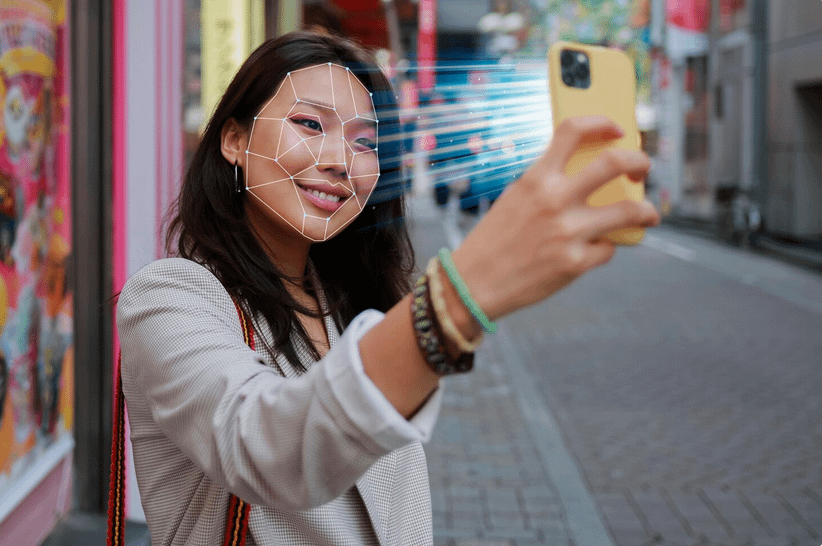 Face filters begin with something called feature detection. It’s the part where the system scans your face for key points. Think of it like a connect-the-dots puzzle, but done by a computer that has zero chill. It tracks areas like your jawline, eyes, and cheekbones, so it can stick a virtual effect on top without it floating into the distance. These detection systems improve themselves with data. Every face, every expression, every tiny movement teaches the software how to fit effects more tightly. It may sound wild, but your phone does this work at lightning speed. Even blinking doesn’t slow the mapping process down.
 Ever tried making a weird face just to see if the effect falls off? Most of the time, it stays glued to you like a loyal puppy. That’s because facial tracking measures motion, not just structure. As you talk, smile, or attempt your best duck-lip impression, the software keeps adjusting those digital layers. These adjustments rely on prediction models. They guess where your features will move next based on how faces typically behave. A guy I know tried to break a filter by shaking his head like a bobblehead. It stayed on. He didn’t. But the tech did its job well.






















 For content creators, the camera is the heart of the smartphone. High-resolution sensors, advanced image processing, and multiple lenses give you flexibility. Wide-angle lenses help capture landscapes, while macro lenses let you explore tiny details. Low-light performance ensures your videos and photos look professional even without perfect lighting. A smartphone that excels in imaging provides a unique edge for creators aiming to stand out.
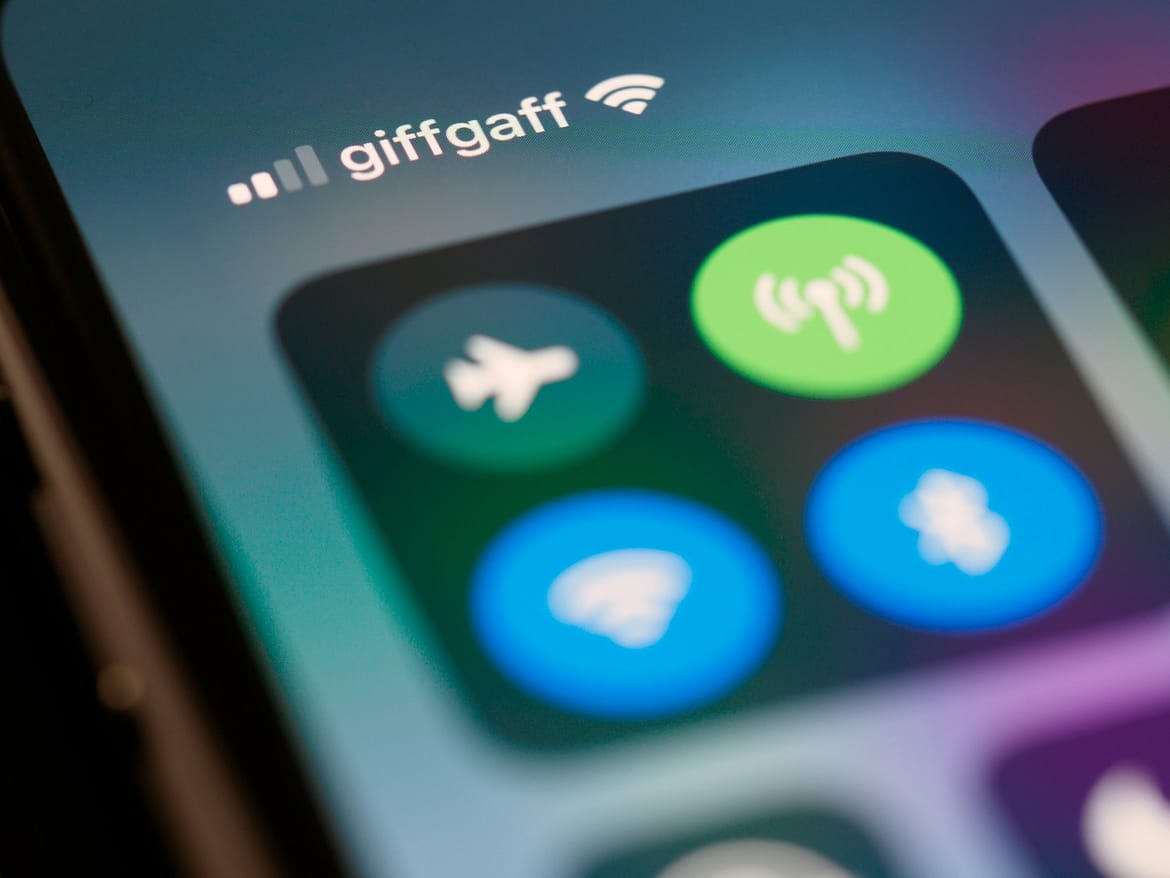 Fast and reliable connectivity is essential for sharing content quickly. 5G and Wi-Fi 6 support smooth uploads and downloads. Bluetooth and accessory compatibility expand creative possibilities. External microphones, gimbals, and lighting equipment can enhance production quality. Smartphones that integrate seamlessly with these tools provide a more professional experience and allow creators to experiment with new techniques.









 Another great reason why crypto makes a great option to buy Twitter
  If you ever find a very trustworthy site, like PapaDigi, but you find out that your currency is totally different from the one used by them, you don’t have to worry. With crypto, you can easily make payments in any currency without having to convert it first. This is great news for international customers as they don’t have to worry about going through the tedious

 No one wants to find themselves in a situation where they paid for something and didn’t get the results they wanted, right? That’s why it pays to make sure the site you are buying from offers a money back guarantee if the service doesn’t reach your expectations. This feature can help you take the risk out of your purchase and prevent any potential losses if the site doesn’t deliver what it promised. We can simply say that a money back guarantee is a must if you want to ensure your purchase is safe.