


Privacy settings on an iPhone may seem straightforward, but their behavior can change as Apple introduces new features, adjusts existing controls, and changes how apps access personal information. A setting that works one way on an older iOS release may offer different options or protections after an update. This becomes particularly relevant when examining what your carrier can see when you use your iPhone, since network-level visibility isn’t governed entirely by the privacy controls in iOS. Understanding the distinction between device settings, application permissions, and carrier access helps explain why privacy experiences can vary across software versions, even when users believe their configurations remain unchanged.
Why Application Permissions Change Between Versions
Application permissions determine which device resources an app can access, including the camera, microphone, contacts, photos, and location information. Apple has gradually introduced more detailed permission options, allowing users to control access with greater precision. For example, newer iOS versions provide more specific ways to share selected photographs rather than granting an application access to an entire photo library. Location permissions have also developed beyond simple approval or denial, with options that can limit the accuracy of information shared with applications. These changes mean that an application requesting access to the same resource may present different permission choices depending on the installed operating system. Developers must also update their applications to support newer permission frameworks.
How Apple Introduces New Privacy Features

New iOS releases sometimes introduce privacy features that change how information is collected, processed, or displayed. Features such as App Tracking Transparency altered how applications request permission to track users across other companies’ apps and websites. Other developments have introduced additional visibility into application activity and data access. These features may not exist in older versions of the operating system, meaning users cannot always find equivalent controls on every device. Some privacy improvements also depend on compatible hardware or supporting software. As a result, the availability of a particular privacy feature can depend on both the iOS version and the specific iPhone model, not just the operating system.
Why Privacy Settings May Appear Inconsistent

Differences between iOS versions can make privacy settings appear inconsistent, particularly when users compare instructions created for different software releases. Menu names, settings categories, and permission descriptions may change as Apple reorganizes its interface. Application updates can introduce another layer of variation because developers sometimes change how their software requests permissions or handles previously granted access. Certain settings may also depend on regional availability, account configuration, or device restrictions. These overlapping factors explain why two iPhones may display different privacy options even when they belong to the same general product generation. Understanding the software version and device compatibility is therefore important when interpreting differences in privacy controls.
Privacy settings vary across iOS versions because Apple continually updates permission systems, introduces new protections, and reorganizes controls. Device compatibility and app updates can also affect which options appear and how they work.
…




















 At the heart of auto-generated channels is predictive modeling—AI that analyzes viewer preferences, trends, and watch patterns to forecast what content people will want next. As creators adapt to this landscape, many experiment with strategies like learning how to


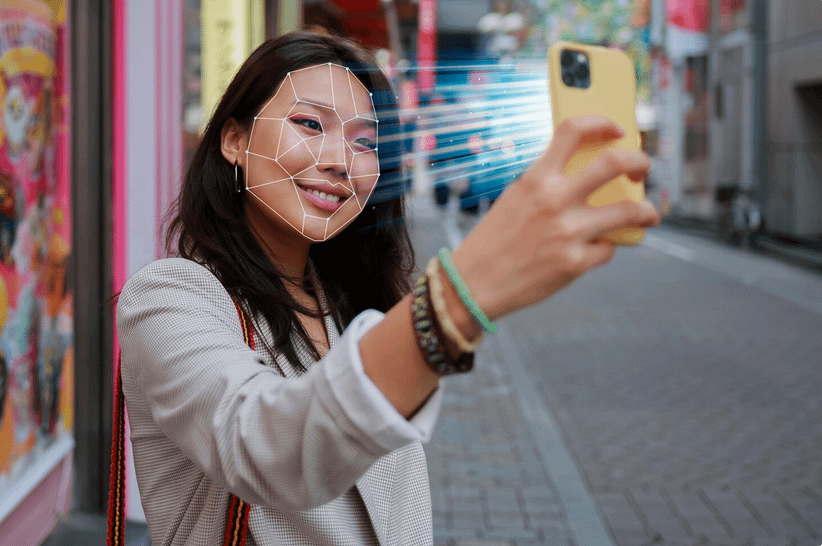 Face filters begin with something called feature detection. It’s the part where the system scans your face for key points. Think of it like a connect-the-dots puzzle, but done by a computer that has zero chill. It tracks areas like your jawline, eyes, and cheekbones, so it can stick a virtual effect on top without it floating into the distance. These detection systems improve themselves with data. Every face, every expression, every tiny movement teaches the software how to fit effects more tightly. It may sound wild, but your phone does this work at lightning speed. Even blinking doesn’t slow the mapping process down.
 Ever tried making a weird face just to see if the effect falls off? Most of the time, it stays glued to you like a loyal puppy. That’s because facial tracking measures motion, not just structure. As you talk, smile, or attempt your best duck-lip impression, the software keeps adjusting those digital layers. These adjustments rely on prediction models. They guess where your features will move next based on how faces typically behave. A guy I know tried to break a filter by shaking his head like a bobblehead. It stayed on. He didn’t. But the tech did its job well.










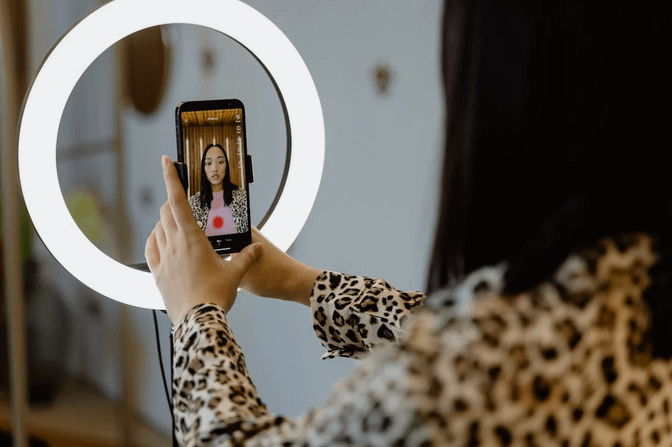
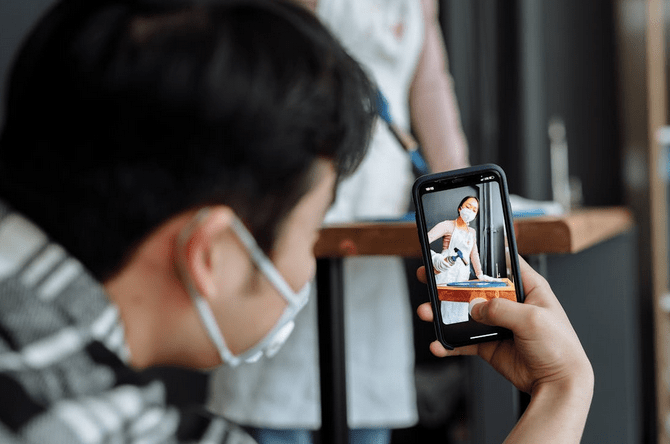







 For content creators, the camera is the heart of the smartphone. High-resolution sensors, advanced image processing, and multiple lenses give you flexibility. Wide-angle lenses help capture landscapes, while macro lenses let you explore tiny details. Low-light performance ensures your videos and photos look professional even without perfect lighting. A smartphone that excels in imaging provides a unique edge for creators aiming to stand out.
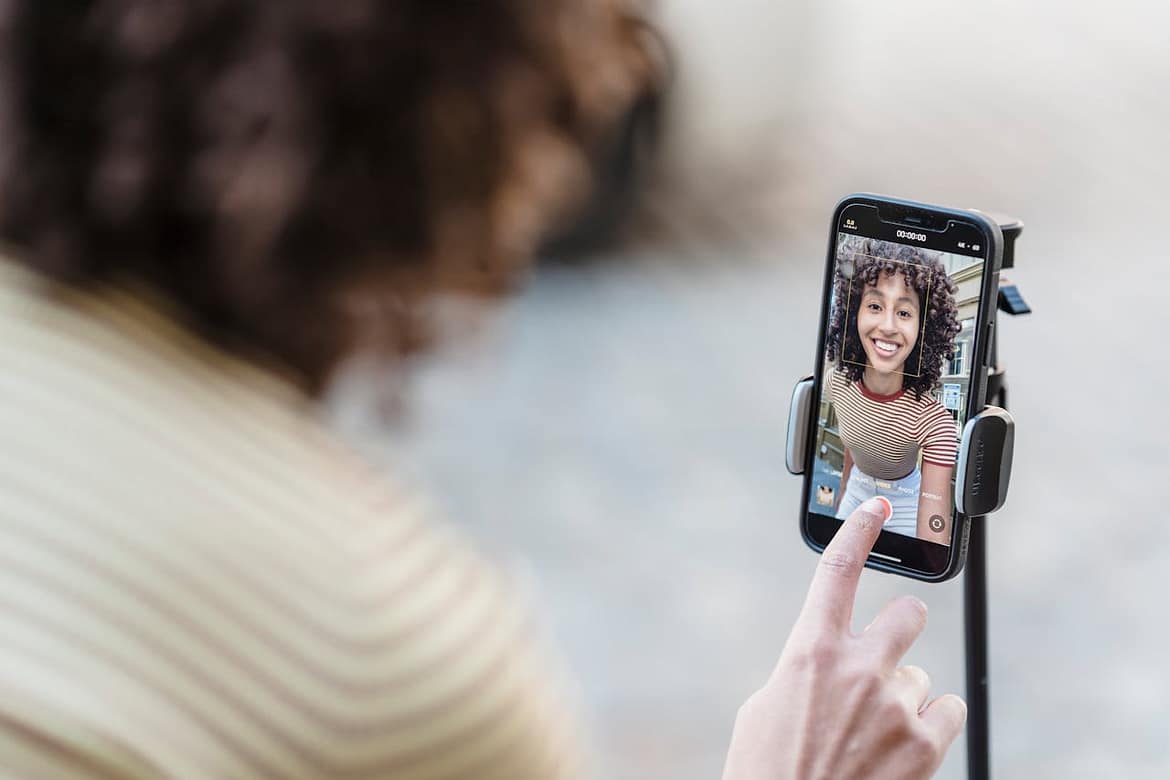
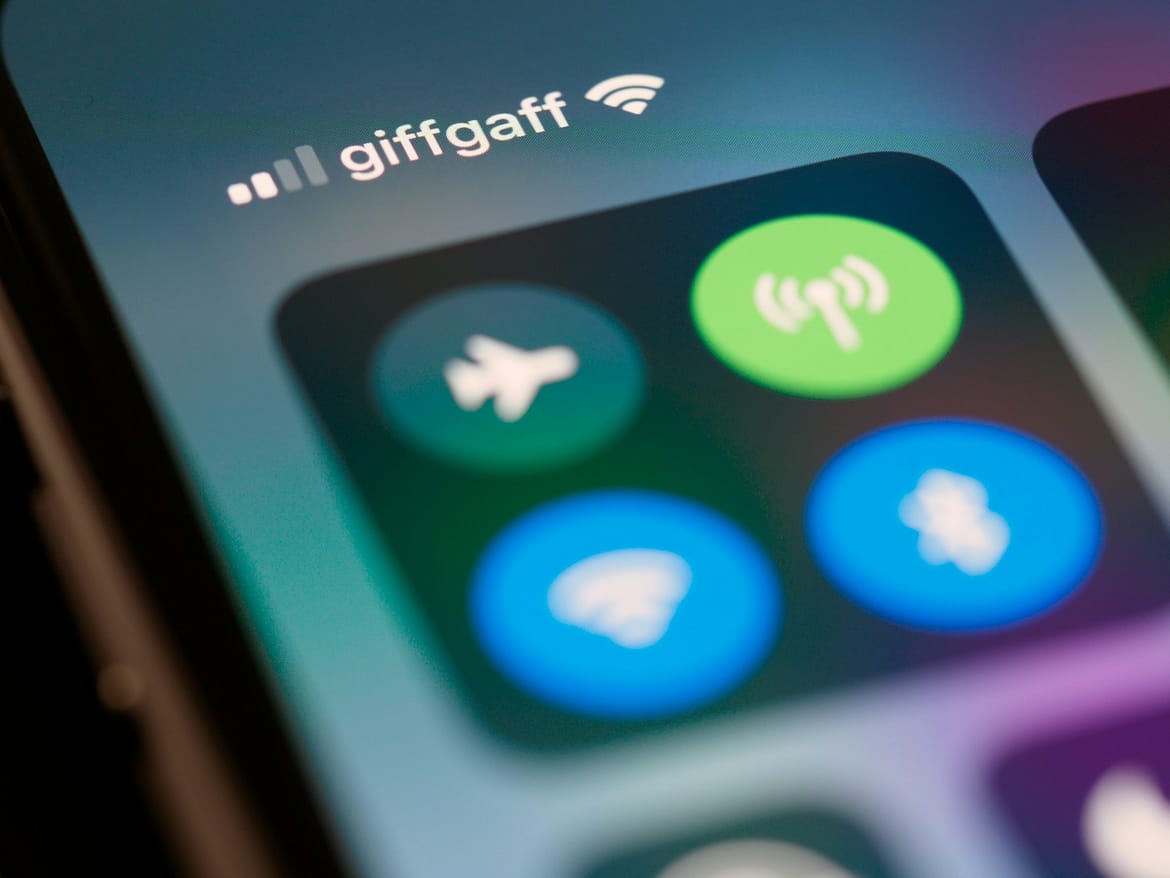 Fast and reliable connectivity is essential for sharing content quickly. 5G and Wi-Fi 6 support smooth uploads and downloads. Bluetooth and accessory compatibility expand creative possibilities. External microphones, gimbals, and lighting equipment can enhance production quality. Smartphones that integrate seamlessly with these tools provide a more professional experience and allow creators to experiment with new techniques.











 Another great reason why crypto makes a great option to buy Twitter
 If you ever find a very trustworthy site, like PapaDigi, but you find out that your currency is totally different from the one used by them, you don’t have to worry. With crypto, you can easily make payments in any currency without having to convert it first. This is great news for international customers as they don’t have to worry about going through the tedious


 No one wants to find themselves in a situation where they paid for something and didn’t get the results they wanted, right? That’s why it pays to make sure the site you are buying from offers a money back guarantee if the service doesn’t reach your expectations. This feature can help you take the risk out of your purchase and prevent any potential losses if the site doesn’t deliver what it promised. We can simply say that a money back guarantee is a must if you want to ensure your purchase is safe.