

The first time an IG filter smoothed my pores into oblivion, I felt both honored and offended. It knew my features too well, almost like it had studied my childhood photos. If you’ve ever wondered how filters pull this off, you’re in good company. See, even I Googled for “top websites for buying Instagram views” because I know I’ve got the potential to become famous. But of course, every tool plays its part in how creators shape their online presence. Before you blame your camera for sorcery, let’s break down how these digital effects read your face like a book. The process is faster than you blinking in an awkward selfie, and the tech powering it is far more sophisticated than people give it credit for.
How Face Mapping Actually Sees You
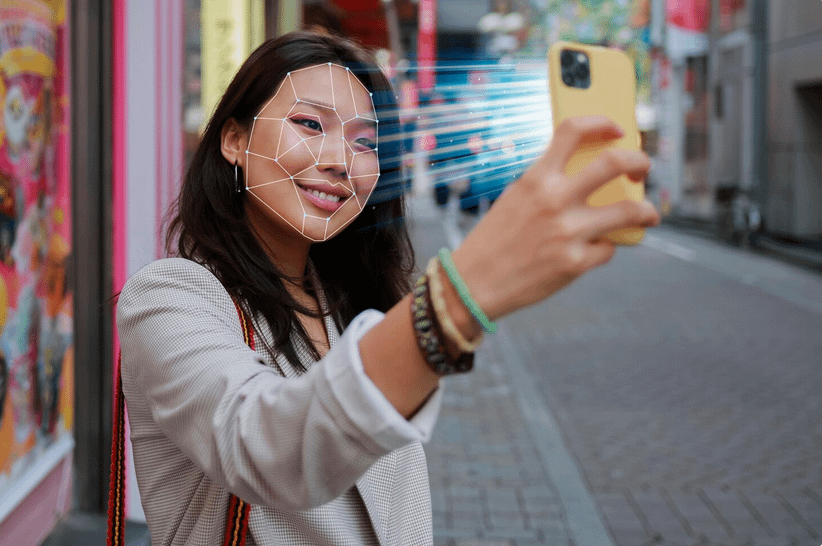 Face filters begin with something called feature detection. It’s the part where the system scans your face for key points. Think of it like a connect-the-dots puzzle, but done by a computer that has zero chill. It tracks areas like your jawline, eyes, and cheekbones, so it can stick a virtual effect on top without it floating into the distance. These detection systems improve themselves with data. Every face, every expression, every tiny movement teaches the software how to fit effects more tightly. It may sound wild, but your phone does this work at lightning speed. Even blinking doesn’t slow the mapping process down.
The Secret Behind “Perfect Skin” Filters
Once your face is mapped, the filter dives into texture work. It smooths, sharpens, or recolors sections of your skin. This isn’t magic. It’s math. Filters blend pixel layers to adjust what you see without distorting your features. This is also where some filters go a little too far. You’ve probably met a friend who looks totally normal in person yet appears like a porcelain doll online. That’s because the system modifies shading and contrast to mimic flawless lighting. It’s kind of like having a ring light strapped to your face without actually buying one.
Why Your Expressions Still Look So Real
 Ever tried making a weird face just to see if the effect falls off? Most of the time, it stays glued to you like a loyal puppy. That’s because facial tracking measures motion, not just structure. As you talk, smile, or attempt your best duck-lip impression, the software keeps adjusting those digital layers. These adjustments rely on prediction models. They guess where your features will move next based on how faces typically behave. A guy I know tried to break a filter by shaking his head like a bobblehead. It stayed on. He didn’t. But the tech did its job well.
Why Filters Keep Getting Better
Instagram’s system grows sharper as new data pours in. Phones improve their cameras. Apps upgrade their processing power. And users expect filters that feel more “instant” and less “Halloween mask from a discount bin.” This combination pushes filter tech to new levels. Even creators who use outside tools need reliable visuals because blurry or glitchy effects throw off their whole look. People want smoothness. Precision. Fast adjustments. It’s a lot of pressure for a small piece of software, but it keeps rising to the challenge.…