

Small-batch printing has traditionally been a costly endeavor, often limited to businesses that could afford large-scale production runs. However, technological advancements have revolutionized this landscape, making high-quality, low-volume printing more accessible to startups, small businesses, and independent creators. Innovations in digital printing, automated heat transfers, and software-driven design processes have significantly reduced production costs while maintaining precision and vibrancy in printed materials. This is usually where you can find out more about tools and solutions for affordable small-batch projects without compromising quality. By exploring the latest tech advances, businesses can optimize production, minimize waste, and scale operations efficiently, transforming how small-batch printing is approached today.
Digital Printing Technology
Digital printing has been a game-changer for small-batch production, eliminating the need for expensive setup processes associated with traditional screen printing. Unlike conventional methods that require creating screens and plates for each design, digital printers can produce detailed images directly onto various materials with minimal preparation. This reduces material waste and setup time, making it economically viable for small production runs. Furthermore, modern digital printers offer high-resolution outputs and vibrant color reproduction, ensuring that even limited quantities maintain professional-quality standards. For businesses seeking efficiency and quality, digital printing provides a cost-effective solution that accommodates short runs without sacrificing visual appeal.
Automated Heat Transfer Systems
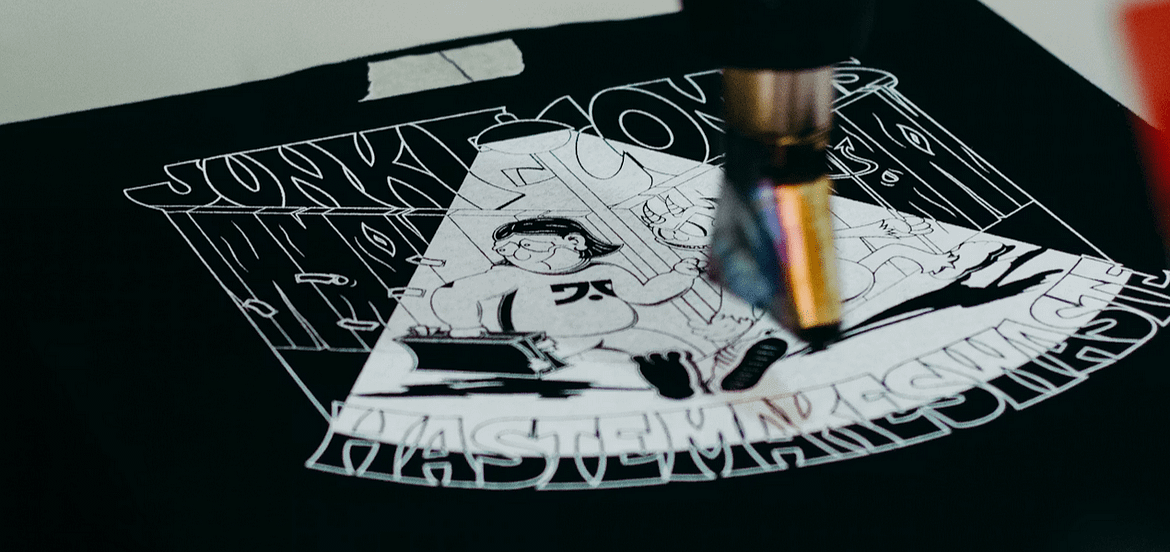
Automated heat transfer systems have streamlined the application of printed designs onto fabrics and other surfaces. These systems, including technologies like DTF (Direct to Film) transfers, allow businesses to print designs onto a special film and then transfer them with heat and pressure, reducing labor and error rates. Automation in this process significantly lowers production costs by minimizing human intervention while increasing consistency across products. Small businesses and creators can now complete projects faster and with fewer resources, making it feasible to offer customized, high-quality merchandise in smaller quantities. This technology bridges the gap between affordability and professional-grade printing.
Advanced Design Software
Cutting-edge design software has simplified the creation of intricate patterns and custom graphics for small-batch printing. Modern applications enable designers to experiment with colors, textures, and layouts digitally, reducing trial-and-error costs associated with physical prototypes. Many software solutions integrate seamlessly with printing hardware, allowing for direct file transfers and precise color calibration. This integration minimizes mistakes and ensures that printed results match original designs closely. Additionally, software tools often provide templates, batch processing options, and predictive previews, enabling businesses to optimize production workflows, reduce waste, and maintain high-quality standards for smaller orders.
On-Demand Printing Platforms

On-demand printing platforms have emerged as a crucial technological advance for affordable small-batch production. These platforms allow businesses and individuals to produce items only when orders are placed, eliminating the need for large inventory storage and upfront investment. By combining automated printing, digital design integration, and efficient fulfillment systems, on-demand solutions reduce financial risk while accommodating low-volume projects. Small businesses benefit from scalability, as they can gradually expand offerings without the burden of unsold stock. This approach makes it possible to experiment with different designs, test markets, and maintain flexibility, ultimately making small-batch printing economically feasible and strategically advantageous.
Technological advancements have transformed small-batch printing from a costly, labor-intensive process into an accessible, efficient, and high-quality solution for businesses and creators. Innovations such as digital printing, automated heat transfer systems, advanced design software, and on-demand platforms have collectively reduced costs, minimized waste, and streamlined workflows. These developments enable small-scale operations to produce professional-quality items without the financial and logistical burdens of traditional large-scale production. By leveraging these technologies, businesses can embrace flexibility, customization, and creativity, ensuring that small-batch printing remains a viable and profitable option in today’s dynamic market.